Part Six: Art References in The Fall of Man: A Fool's Requiem

The Fall of Man: A Fool's Requiem

Art References

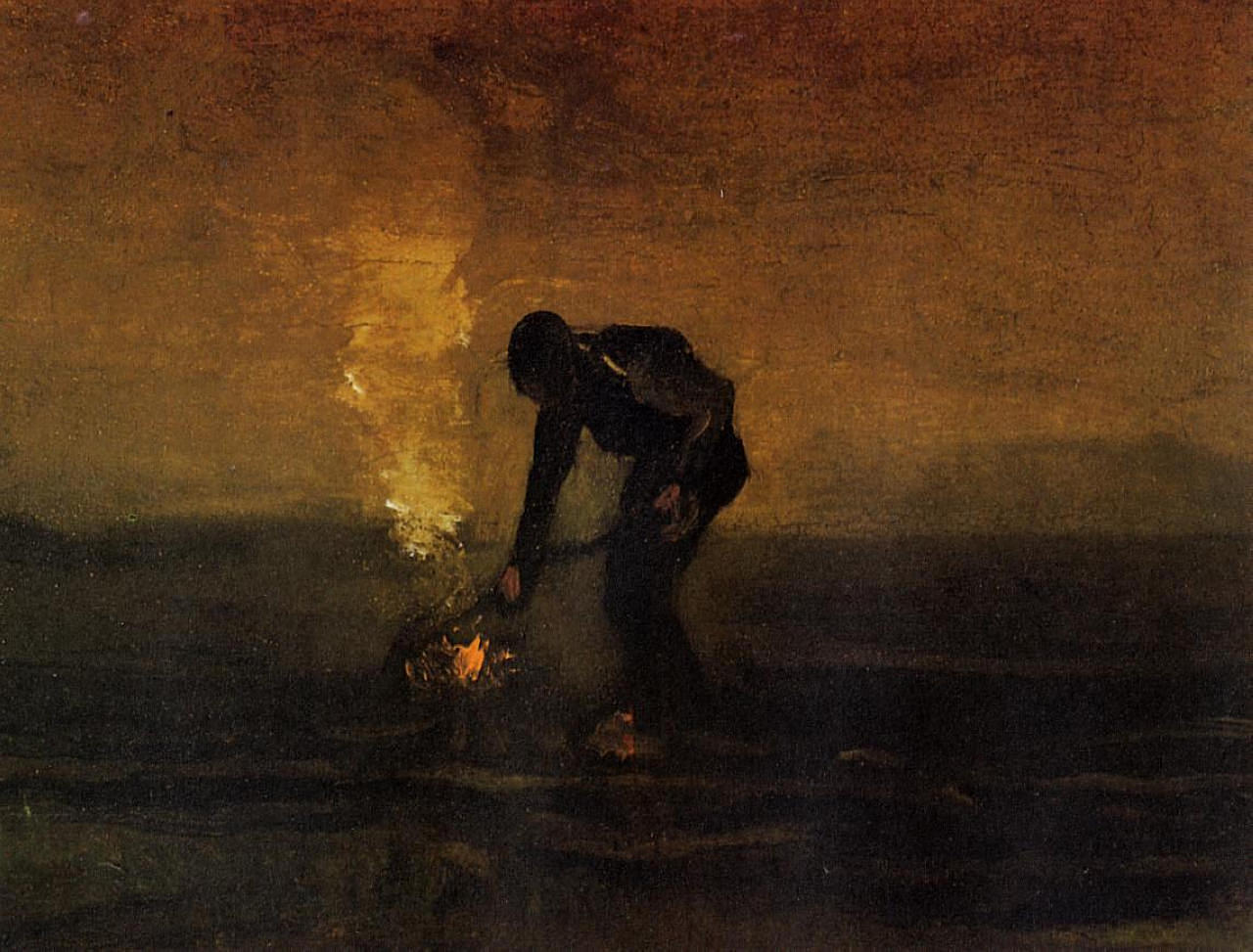
Vincent Van Gogh, A Peasant Burns Weeds


Jules-Elie Delaunay, The Plague of Rome


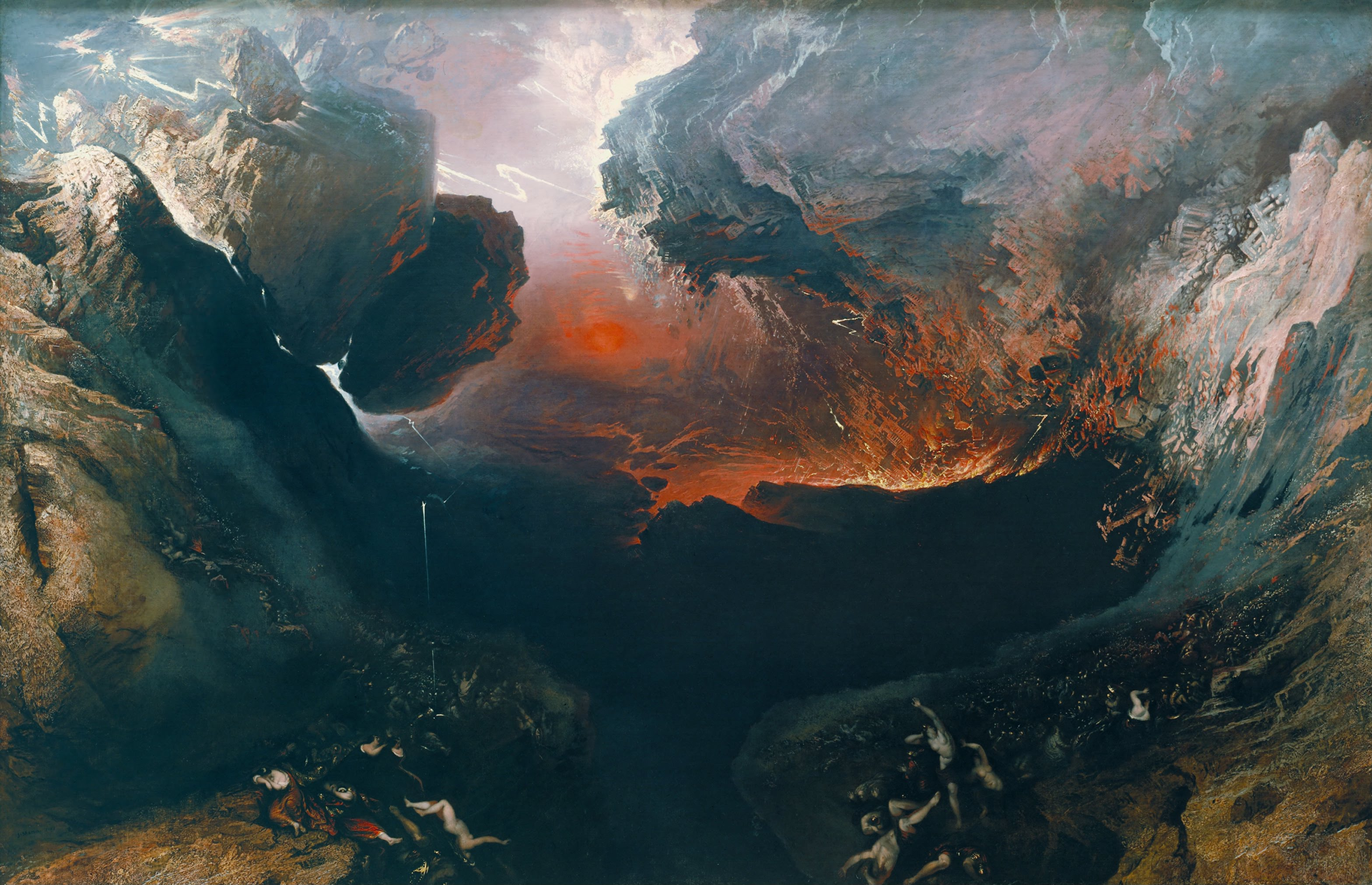
John Martin, The Great Day of His Wrath

Honore Daumier, The Smokers


Alexandre-François Desportes,The Wolf Hunt


Ivan Aivazovsky, Creation of the World


Comments

Popular posts from this blog

Featured Post: Where Can You Buy My Books?

Interested in purchasing one of my books? Below are the links that will take you to the right place on Amazon. A Manufactured Mind On Amazon On Kobo On Barnes and Noble On iTunes Obey On Amazon On Kobo  On B&N  On iTunes  The Fall of Man Trilogy Days of Judgment (Book One) On Amazon On Kobo On B&N On iTunes System Crash (Book Two) On Amazon On Kobo On B&N On iTunes A Fool's Requiem (Book Three) On Amazon On Kobo On B&N On iTunes

E-cigarettes: A PR battle Health Canada cannot win?

So I've now been using an e-cigarette (e-cig) for two months and thought I'd talk a bit about how I see the upcoming battle between Health Canada and e-cigs going. First though, let's do a quick overview of what exactly an e-cig is. Basically an e-cig vaporizes liquid that contains nicotine. The vapor is then inhaled. People who use e-cigs are called vapers (not smokers). Because the liquid is atomized (ie. vaporized), not burned the way tobacco is, vapers do not consider themselves 'smokers' in anyway. An e-cig is comprised of basically three components: The tank - this is the component that holds the juice (sometimes referred to as e-juice or e-liquid). The atomizer - this a coil and wick unit that atomizes the juice. When the coil is heated (from the battery) it atomizes the juice that has soaked into the wick. The battery - batteries for e-cigs come in various capacities (some last 8 hours, others 40+ hours, depending on their size).  The ba...

More evidence of the Internet Revolution

Bell ushers in new era with CTV deal  So Bell has purchased CTV.  Not really that big a deal under normal circumstances, except when you realize why they did it... Driving convergence this time, the Internet-enabled mobile devices such as smart phones and computer tablets are threatening home television’s lock on viewers. Bell, like its rivals, wants to offer more content to its subscribers, however they receive the signal. Viewers are increasingly interested in watching their favourite shows on their phones while they ride the bus or sit in the park, and the cable and phone companies that have served as middle men between viewers and broadcasters were in danger of being marginalized. You know what sort of worries me about this kind of acquisition? It's clearly an attempt to own (control) content. When they say marginalized what they really mean is service providers being nothing more than dumb pipes - providing connectivity to the internet and nothing more. As ...